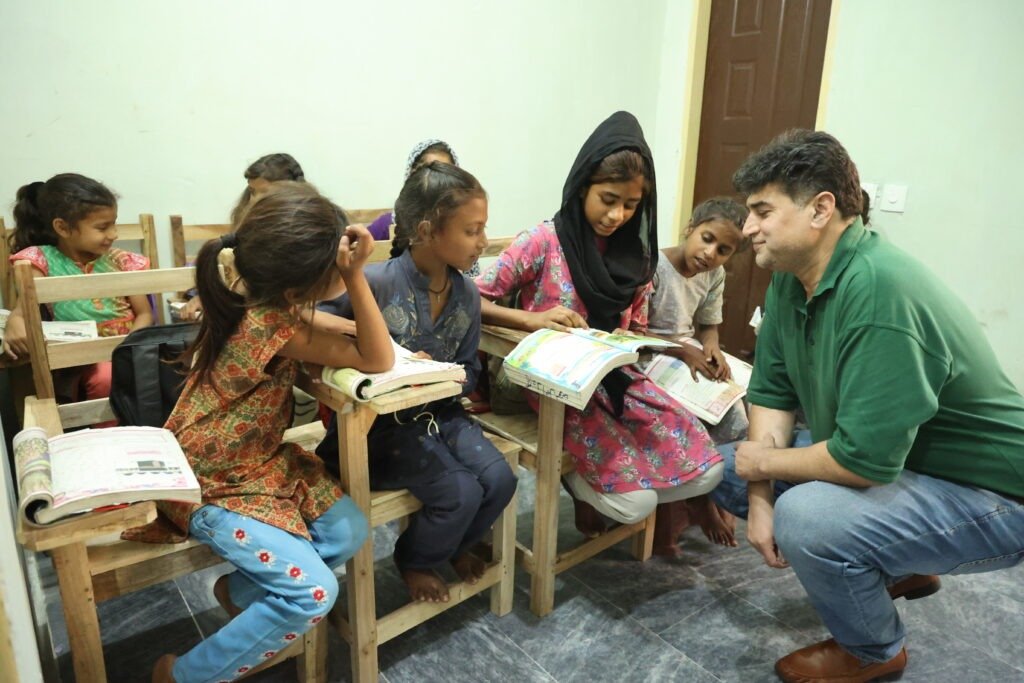
Education plays a decisive role in shaping the future of individuals and communities, yet for Christian minorities in Pakistan, access to quality education remains uneven and fragile. While education is often described as a universal right, social, economic, and structural barriers continue to prevent many Christian families from fully benefiting from learning opportunities. Understanding why education matters for Christian minorities in Pakistan requires looking beyond classrooms and examining how education influences dignity, stability, and long-term inclusion. The struggles faced by Christian minorities in Pakistan underscore the importance of educational access.
For Christian communities, education is not merely a pathway to employment. It is a means of breaking intergenerational cycles of poverty, strengthening social confidence, and enabling participation in society on equal terms. When education is limited or disrupted, the consequences extend far beyond academic outcomes, affecting livelihoods, community resilience, and social mobility.
For Christian minorities in Pakistan, education is essential for personal and communal advancement. The improvement of educational access will have a ripple effect on the future of Christian minorities in Pakistan.
Education as a Foundation for Social Inclusion
Moreover, Christian minorities in Pakistan often find that education allows for greater social mobility and integration into society.
Education plays a critical role in fostering social inclusion for minority communities. For Christian minorities in Pakistan, schooling provides opportunities to interact beyond community boundaries, develop communication skills, and build confidence. These social benefits are particularly important in a society where minorities may otherwise remain marginalized.
Addressing the education barriers faced by Christian minorities in Pakistan is crucial for their empowerment and social inclusion.
Without access to education, children often grow up with limited exposure to broader social environments. This isolation reinforces exclusion and reduces opportunities for integration. Schools, when accessible and inclusive, become spaces where children can develop a sense of belonging and mutual respect.
Ensuring that Christian minorities in Pakistan receive a quality education can help break the cycle of poverty.
For Christian minorities in Pakistan, education is not just about learning; it’s about survival and hope for a better future.
Education leads to opportunities that are critical for the future of Christian minorities in Pakistan.
Investing in education for Christian minorities in Pakistan is an investment in a more equitable society.
However, persistent education barriers for Christian children in Pakistan continue to limit this potential. Economic hardship, lack of nearby schools, and unequal access to resources undermine the ability of Christian families to ensure consistent schooling for their children.
Empowering Christian minorities in Pakistan through education can lead to transformative changes in their communities.
Understanding the dropout rates among Christian minorities in Pakistan sheds light on the educational challenges they face.
Reducing dropout rates among Christian minorities in Pakistan is essential for achieving educational equity.
Breaking the Cycle of Poverty Through Education
The story of education in rural areas for Christian minorities in Pakistan is one of resilience and determination.
One of the most important reasons education matters for Christian minorities in Pakistan is its role in reducing poverty. Many Christian families rely on low-paying, unstable jobs with limited prospects for advancement. Without education, children are often forced into the same economic conditions faced by their parents.
Education equips children with skills that expand employment opportunities and improve earning potential. Even basic literacy and numeracy can significantly enhance job prospects. Over time, educated individuals are better positioned to secure stable income, support their families, and contribute to community development.
The relationship between poverty and education is deeply interconnected, as highlighted in discussions on poverty and education struggles of Christian families in Pakistan. Financial hardship frequently interrupts schooling, while lack of education perpetuates poverty across generations.
Addressing School Dropouts Among Christian Children
School dropout rates remain a major concern for Christian minorities, particularly in underserved areas. Many children enroll in school but are unable to continue due to economic pressure, transportation challenges, or social exclusion. Understanding why Christian children drop out of school in Pakistan helps clarify the importance of sustained educational support.
When education is disrupted, children lose not only academic progress but also motivation and confidence. Re-entering the education system becomes increasingly difficult over time. Preventing dropouts is therefore essential to ensuring that education fulfills its role as a pathway to opportunity.
Consistent access to schooling, combined with supportive learning environments, can significantly reduce dropout rates and improve long-term outcomes for Christian children.
For Christian minorities in Pakistan, education can significantly alter their life trajectories for the better.
Rural Disparities and Unequal Access
Geographic location plays a major role in shaping educational access. In rural areas, Christian minorities face additional challenges due to limited infrastructure and distance from schools. The lack of school access for Christian children in rural Pakistan remains one of the most significant barriers to education.
Many rural communities lack secondary schools altogether, forcing children to travel long distances. Transportation costs and safety concerns often make regular attendance impossible. As a result, children are more likely to miss school or drop out entirely.
Education matters in these contexts because it offers one of the few avenues for rural children to improve their circumstances. Without targeted efforts to address rural disparities, educational inequality continues to widen.
Education remains a vital tool for Christian minorities in Pakistan seeking to improve their community’s future.
Strengthening community resilience through education is vital for Christian minorities in Pakistan.
Education and the Empowerment of Girls
Education is especially important for Christian girls, who face compounded challenges due to gender norms, economic pressures, and safety concerns. When families must choose which children to educate, girls are often the first to be withdrawn from school.
Support initiatives targeting Christian minorities in Pakistan are essential for long-term educational success.
Educated girls are more likely to participate in the workforce, make informed life choices, and contribute positively to their families and communities. Education also improves health outcomes and reduces vulnerability to exploitation.
Ensuring equal access to education for girls is therefore a critical step toward empowering Christian minorities and promoting long-term social development.
Education as a Tool for Awareness and Advocacy
Education enables individuals to understand their rights and responsibilities, fostering awareness and self-advocacy. For Christian minorities, education provides tools to navigate social systems, access services, and engage constructively with institutions.
Ultimately, education’s long-term impact for Christian minorities in Pakistan cannot be overstated.
Without education, individuals may remain unaware of opportunities available to them or lack the confidence to seek support. Education strengthens the ability to communicate effectively, make informed decisions, and advocate for fair treatment.
These capabilities are essential for minority communities seeking greater inclusion and equality within society.
Strengthening Community Resilience Through Education
Education benefits not only individuals but entire communities. Educated individuals are more likely to contribute to community leadership, support younger generations, and promote positive social values. Over time, education strengthens community resilience and adaptability.
Communities with higher educational attainment are better equipped to respond to challenges, pursue development initiatives, and foster cooperation. For Christian minorities, education supports collective progress and helps counter marginalization.
Addressing broader minority education issues in Pakistan requires recognizing the central role education plays in community well-being and social cohesion.
The Role of Education Support Initiatives
Targeted education support initiatives play a vital role in ensuring access and continuity for Christian minorities. Programs that provide uniforms, learning materials, meals, and transportation assistance reduce barriers that prevent children from attending school regularly.
Such initiatives are especially effective when they focus on long-term engagement rather than short-term enrollment. Sustained education support for Christian children in Pakistan helps families keep children in school and improves learning outcomes over time.
When education support aligns with community needs, it becomes a powerful catalyst for change.
Long-Term Impact of Education on Minority Communities
The long-term impact of education extends across generations. Educated parents are more likely to prioritize schooling for their children, creating a positive cycle of learning and opportunity. Over time, education contributes to economic stability, social participation, and improved quality of life.
For Christian minorities in Pakistan, education represents hope for a more secure and inclusive future. Without it, communities remain vulnerable to poverty, exclusion, and limited social mobility.
Transparency and Support
MinorCare works to support educational access for Christian minorities through transparent, accountable initiatives. The organization is a registered non-profit, and its educational programs are sustained through official, tax-deductible contributions made via its secure donation platform on Zeffy. Such support helps ensure that children receive consistent educational opportunities in challenging environments.
EIN: 99-3322035
Contact: 1913 271 9000
FAQs
Why does education matter for Christian minorities in Pakistan?
Education provides pathways out of poverty, promotes social inclusion, and empowers individuals to participate fully in society.
What barriers prevent Christian children from accessing education?
Common barriers include poverty, lack of nearby schools, transportation challenges, and social exclusion.
How does education affect long-term community development?
Education strengthens economic stability, leadership, and resilience within minority communities.
Why are dropout rates higher among Christian children?
Economic pressure, irregular attendance, and limited support contribute to higher dropout rates.
Can education support initiatives make a difference?
Yes. Targeted education support significantly improves access, retention, and learning outcomes.

MinorCare Foundation provides education, uniforms, books, and shoes to underprivileged Christian children in Laliyani, Kasur, Pakistan.