
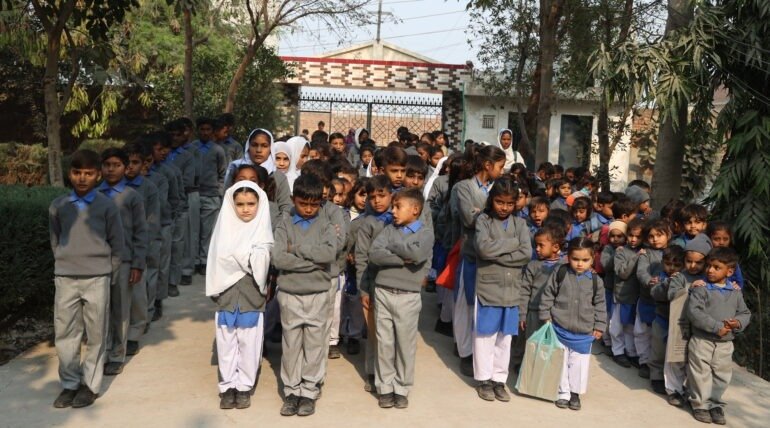
Education is widely recognized as one of the most effective tools for improving social mobility and economic stability. However, for many minority communities in Pakistan, attending school consistently remains a significant challenge. School attendance problems Christian children Pakistan face are influenced by a combination of economic hardship, infrastructure limitations, and social barriers. These challenges affect not only educational outcomes but also long term opportunities for children and their families.
Christian minority communities often place a strong value on education, viewing it as a path toward stability and dignity. Despite this commitment, maintaining regular school attendance is difficult when families struggle with poverty, transportation issues, and limited resources. Understanding these barriers is essential for identifying solutions that can improve educational participation and long term community development.
Economic Pressures and School Attendance
Financial hardship is one of the primary reasons behind school attendance problems Christian children Pakistan experience. Many Christian families depend on low income jobs such as sanitation work, daily wage labor, or domestic services. These occupations provide limited financial stability and make it difficult to cover education related expenses.
School costs often include uniforms, books, transportation, and examination fees. Even when tuition is low or subsidized, these additional expenses create barriers for families already facing economic stress. As a result, children may miss school frequently or attend irregularly.
The connection between poverty and attendance challenges is closely linked to the broader issues described in poverty and education struggles of Christian families in Pakistan, where economic pressure directly affects educational continuity.
When children miss school repeatedly due to financial reasons, their academic progress slows, making it harder to remain motivated and engaged.
Transportation and Distance Challenges
Another major factor contributing to school attendance problems Christian children Pakistan face is the distance between home and school. In many rural or semi urban areas, schools are located far from minority communities. Children often have to travel long distances on foot or rely on transportation that families cannot consistently afford.
The lack of school access for Christian children in rural Pakistan highlights how geographic barriers limit regular attendance. When travel takes significant time or involves safety concerns, parents may hesitate to send younger children to school daily.
Transportation challenges also increase absenteeism during extreme weather conditions or seasonal work periods when families prioritize immediate economic needs.
Improving transportation infrastructure or providing local schooling options could significantly increase attendance rates.
Social and Community Barriers
School attendance problems Christian children Pakistan experience are not always purely economic or geographic. Social factors also influence participation. Minority communities sometimes face discrimination or social exclusion that discourages consistent school engagement.
Children who feel marginalized in school environments may lose confidence and motivation. This situation contributes to irregular attendance and eventual withdrawal from education.
The broader challenges Christian children face in Pakistan demonstrate how social pressures can affect both academic performance and emotional well being. Creating inclusive learning environments helps ensure that minority students feel valued and supported.
Schools that promote equality and respect contribute significantly to improving attendance and educational outcomes.
The Impact of Irregular Attendance on Learning
Regular school attendance is essential for academic progress. When children miss classes frequently, they struggle to keep up with lessons, assignments, and examinations. This gap often leads to frustration and declining performance.
Over time, irregular attendance increases the likelihood of permanent dropout. Understanding why Christian children drop out of school in Pakistan reveals how early attendance problems often escalate into long term educational discontinuation.
Children who fall behind academically may feel discouraged and eventually stop attending altogether. Addressing attendance challenges early is therefore critical for preventing dropout and maintaining educational continuity.
Gender Specific Attendance Challenges
Girls within Christian minority communities often face additional barriers to consistent school attendance. Families dealing with financial hardship sometimes prioritize education for boys, believing they are more likely to contribute economically.
Safety concerns and cultural expectations also influence attendance for girls. Long travel distances or lack of secure transportation can prevent parents from sending daughters to school regularly.
Ensuring safe and accessible education for girls is essential to reducing school attendance problems Christian children Pakistan experience. When girls receive equal access to education, the benefits extend to entire families and communities.
Community Support and Education Initiatives
Addressing school attendance problems Christian children Pakistan face requires community level solutions. Support programs that provide school supplies, uniforms, and transportation assistance can significantly reduce barriers.
Education initiatives designed to support minority students help families maintain consistent school participation. These programs encourage parents to prioritize education despite economic hardship.
Consistent education support for Christian children in Pakistan strengthens attendance and improves long term academic outcomes. When families receive reliable assistance, children are more likely to remain engaged in school.
Strengthening Long Term Educational Participation
Solving attendance challenges requires coordinated efforts between communities, schools, and support organizations. Policies that reduce financial barriers, improve school accessibility, and promote inclusive education environments can make a significant difference.
Addressing broader education barriers for Christian children in Pakistan helps ensure that attendance challenges do not prevent children from achieving their full potential.
When attendance improves, children gain access to stable learning environments that support skill development, confidence, and future opportunity.
Long Term Effects on Minority Communities
Improving school attendance benefits not only individual students but entire communities. Education strengthens economic potential, leadership development, and social participation.
The broader impact of education on minority communities in Pakistan demonstrates how consistent schooling can transform community stability and resilience.
When children attend school regularly and complete their education, they are better prepared to contribute to their families and society. This progress gradually reduces cycles of poverty and marginalization.
Transparency and Accountability
MinorCare supports educational initiatives that encourage consistent school attendance and learning opportunities for Christian children. As a registered nonprofit organization, MinorCare maintains transparency through verified public listings such as its profile on GuideStar.
EIN: 99-3322035
Contact: 1913 271 9000
FAQs
What are the main school attendance problems Christian children Pakistan face?
Economic hardship, transportation barriers, and limited school access often prevent consistent attendance.
Why do Christian minority students miss school frequently?
Many families struggle to afford uniforms, books, and transportation, which leads to irregular attendance.
How does distance from schools affect attendance?
Long travel distances discourage regular attendance and increase absenteeism, especially in rural areas.
How can community programs improve attendance?
Providing school supplies, transportation support, and financial assistance helps families maintain consistent education for their children.
Why is regular school attendance important for minority children?
Consistent attendance improves academic performance, confidence, and long term opportunities.