
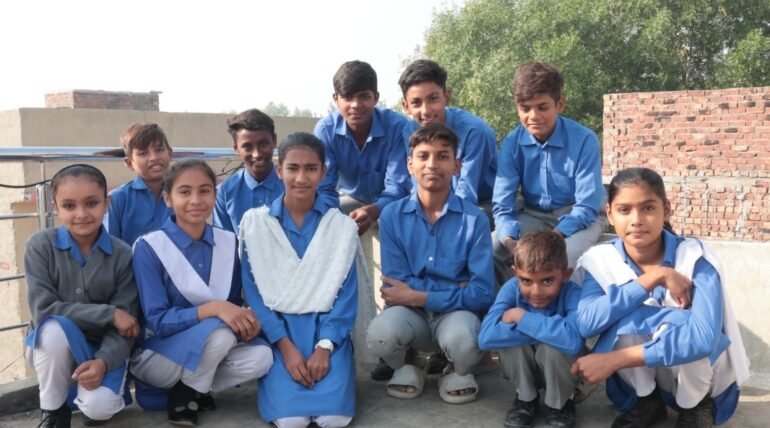
Access to education is a fundamental right, yet for many Christian children living in rural Pakistan, schooling remains out of reach. While education is often presented as a pathway out of poverty, structural realities on the ground make it difficult for minority families to ensure consistent school attendance for their children. Distance, poverty, social exclusion, and limited infrastructure combine to create barriers that disproportionately affect Christian communities in rural areas.
For these families, the issue is not a lack of desire for education. Parents understand the value of learning and its role in shaping a better future. However, daily survival challenges and systemic inequalities often force education to take a back seat. Understanding the lack of school access for Christian children in rural Pakistan requires looking beyond enrollment numbers and examining the lived realities of families navigating these obstacles every day.
In rural Pakistan, the lack of school access also affects children’s emotional and psychological development. When education is inconsistent or unavailable, children often feel disconnected from their peers and uncertain about their future. Schools provide more than academic instruction; they offer structure, routine, and a sense of belonging. Without these elements, children may struggle with confidence and motivation, making it even harder for them to re-enter the education system later in life. For Christian children already facing social marginalization, this absence of stability can deepen feelings of exclusion and limit personal growth.
Rural Geography and Limited Availability of Schools
One of the most pressing challenges in rural Pakistan is the limited availability of schools within reachable distance. Many villages either lack formal educational institutions entirely or offer only primary-level schooling. Once children complete the early grades, secondary schools are often located several kilometers away, making continued education impractical.
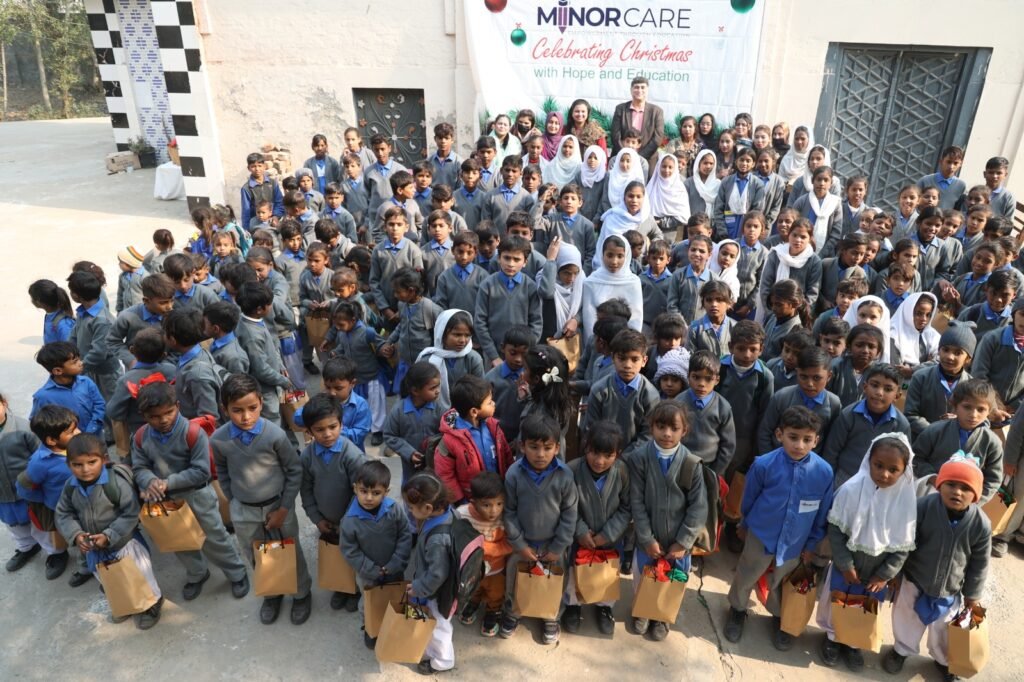
Children are frequently required to walk long distances to attend school, sometimes crossing unsafe roads or isolated paths. These journeys can be physically exhausting and emotionally stressful, especially for younger students. For families already facing hardship, such conditions raise serious concerns about safety and well-being.
This situation reflects broader education barriers for minority communities, where geographic isolation and uneven public investment restrict access to basic services. In rural areas, these barriers are more pronounced, leaving Christian families addressing the lack of school access for Christian children in rural Pakistan is essential to breaking cycles of poverty and creating long-term opportunities for marginalized communities. with few viable education options for their children.
Transportation Challenges and Irregular Attendance
Even when schools exist within a reasonable distance, transportation remains a major obstacle. Rural areas often lack reliable public transport, and private options are unaffordable for families relying on daily-wage labor. Without consistent transportation, children miss school frequently, disrupting their learning process.
Irregular attendance leads to academic gaps that make it harder for students to keep up with their peers. Over time, these gaps erode confidence and motivation. Many children eventually stop attending school altogether, not because they lack interest, but because the barriers become overwhelming.
Such patterns contribute to the reasons why Christian children drop out of school in Pakistan, particularly in rural regions where educational support systems are weak or non-existent.
The lack of school access for Christian children in rural Pakistan is not limited to physical distance alone. Daily realities such as poverty, transportation challenges, and social exclusion combine to make consistent education difficult. These barriers often force families to make painful choices between immediate survival and long-term educational goals.
Poverty and the Cost of Education
Improving access to education in rural areas requires coordinated efforts that go beyond infrastructure alone. Community awareness, parental engagement, and long-term educational planning are essential to ensure that children remain in school once access is established. When families, educators, and support organizations work together, education becomes a shared responsibility rather than an individual burden. Addressing the lack of school access for Christian children in rural Pakistan through sustained, community-focused approaches helps create pathways toward resilience, dignity, and opportunity for future generations.
Poverty is a central factor influencing school access for Christian children in rural Pakistan. Many families depend on low-income occupations such as sanitation work, agricultural labor, or informal services. With limited and unstable income, education-related expenses quickly become unmanageable.
Costs extend far beyond tuition fees. Uniforms, textbooks, stationery, examination fees, and transportation all add to the financial burden. When families struggle to afford food, healthcare, and housing, education often becomes a secondary concern.
In some cases, children are expected to contribute to household income through labor. This expectation is driven by necessity rather than neglect. Families are forced to make difficult choices, prioritizing immediate survival over long-term educational goals.
Social Exclusion and Minority Status
Christian families in rural Pakistan often experience social exclusion due to their minority status. In some communities, children may face subtle discrimination in schools, including unequal treatment or social isolation. These experiences discourage regular attendance and weaken a child’s sense of belonging in the classroom.
Social exclusion also limits access to information. Families may not be fully aware of enrollment procedures, government initiatives, or available education support programs. This lack of awareness further widens the education gap between minority communities and the broader population.
These realities are part of the wider challenges Christian children face in Pakistan, where social and economic factors intersect to limit opportunities for growth and development.
Gender-Specific Barriers in Rural Areas
Gender plays a significant role in shaping educational outcomes in rural Pakistan. Christian girls face compounded challenges due to cultural expectations, safety concerns, and economic pressures. When resources are limited, families may prioritize boys’ education, believing it offers greater economic return.
Girls are often expected to take on household responsibilities or caregiving roles, reducing their ability to attend school regularly. In rural settings, the lack of nearby schools and safe transportation further discourages continued education for girls.
As a result, many Christian girls leave school at an early age, limiting their opportunities for personal development and long-term independence.
Weak Educational Infrastructure
Beyond access to schools, rural areas often suffer from weak educational infrastructure. Schools may be understaffed, under-resourced, or poorly maintained. Classrooms can be overcrowded, and learning materials may be outdated or insufficient.
When families observe poor learning conditions, they may question the value of sending their children to school. For Christian families already navigating economic and social challenges, weak infrastructure reinforces the perception that education may not lead to meaningful improvement.
This lack of confidence in the education system contributes to lower enrollment and higher dropout rates in rural communities.
Long-Term Consequences for Children and Communities
The lack of school access for Christian children in rural Pakistan has long-term consequences that extend beyond individual students. Limited education reduces employment opportunities, perpetuating cycles of poverty within families and communities.
Children who leave school early are more vulnerable to exploitation, unsafe labor, and economic instability. Without education, they are less equipped to advocate for themselves or participate fully in society.
Communities with low educational attainment face broader challenges, including limited economic growth and reduced social mobility. Addressing school access is therefore essential not only for individual children but for the well-being of entire communities.
The Role of Education Support Initiatives
Improving school access requires targeted interventions that address the specific needs of rural Christian communities. Community-based schools, learning centers, and education support initiatives help bridge gaps where government services fall short.
Providing uniforms, textbooks, meals, and transportation assistance can significantly reduce barriers to attendance. When families receive tangible support, they are more likely to prioritize education despite economic pressures.
Sustained education support for Christian children in Pakistan also helps create inclusive learning environments where children feel valued and supported. These initiatives encourage consistent attendance and improve learning outcomes over time.
Community Awareness and Engagement
Community engagement plays a critical role in improving educational access. Awareness programs that highlight the long-term benefits of education can help families overcome immediate economic challenges. When parents understand how education contributes to stability and opportunity, they are more inclined to keep their children in school.
Engaging local leaders, educators, and families fosters shared responsibility for children’s education. Community-driven solutions are often more sustainable and responsive to local needs.
Moving Toward Equal Access to Education
Addressing the lack of school access for Christian children in rural Pakistan requires a comprehensive approach that considers geography, poverty, social exclusion, and infrastructure. Short-term assistance must be paired with long-term strategies to ensure lasting change.
By focusing on inclusion, targeted support, and community involvement, education can become accessible rather than aspirational for rural families. Every child deserves the opportunity to learn in a safe and supportive environment, regardless of location or background.
Transparency and Support
MinorCare works as a registered non-profit organization, and its educational initiatives are supported through transparent, tax-deductible contributions made via its official donation platform on Zeffy. These contributions help sustain education programs that address barriers faced by Christian children in underserved communities.
FAQs
Why do Christian children in rural Pakistan struggle to access schools?
Limited school availability, transportation challenges, poverty, and social exclusion all contribute to restricted access.
How does poverty affect school attendance?
Poverty limits a family’s ability to afford uniforms, books, and transportation, often forcing children to leave school early.
Are girls more affected by lack of school access?
Yes. Safety concerns, cultural expectations, and household responsibilities often limit girls’ educational opportunities in rural areas.
Can education support initiatives improve access?
Targeted education support initiatives significantly reduce barriers and help children remain in school.