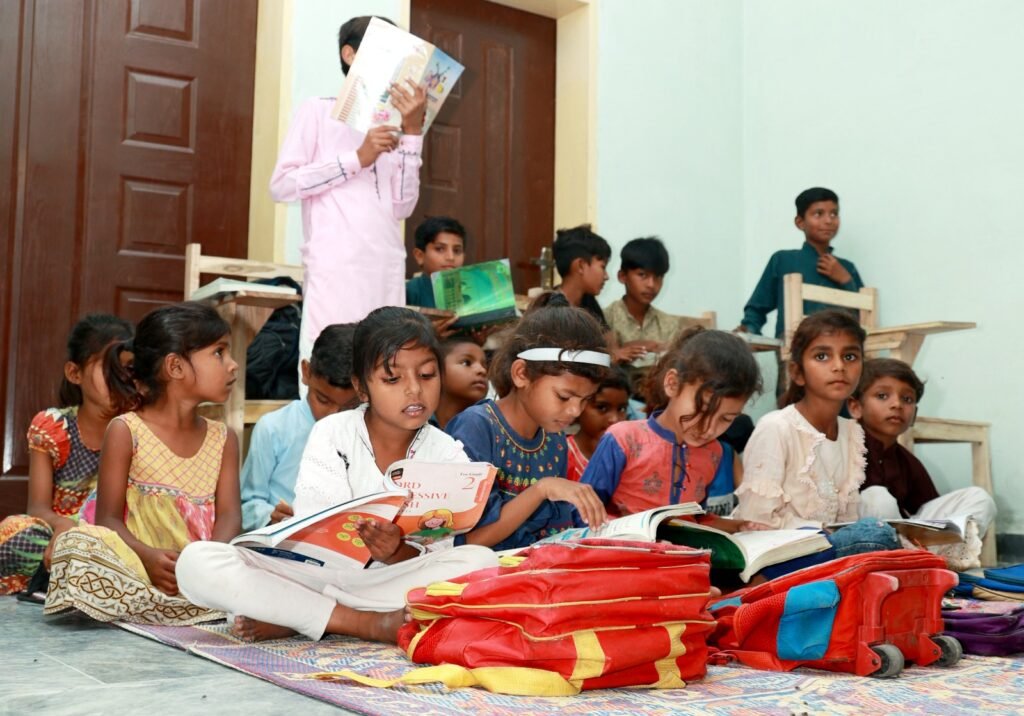
Education has long been recognized as one of the most powerful tools for personal and social transformation. For Christian children in Pakistan, education represents far more than academic learning; it offers hope, dignity, and a pathway to a more secure future. In communities where poverty, social exclusion, and limited opportunity are common, understanding how education changes lives of Christian children in Pakistan is essential to addressing long-standing inequalities. Furthermore, the narrative of how education changes lives of Christian children in Pakistan is vital for advocacy and awareness.
Christian families across Pakistan value education deeply, yet many struggle to keep their children in school. Economic pressure, access issues, and social barriers often interrupt learning journeys. Despite these challenges, education continues to play a transformative role by opening doors that would otherwise remain closed.
Exploring how education changes lives of Christian children in Pakistan allows us to recognize the challenges and triumphs faced by these communities.
Education as a Pathway Out of Poverty
In our examination of how education changes lives of Christian children in Pakistan, we see the importance of advocacy and support.
Understanding How Education Changes Lives of Christian Children in Pakistan
One of the most visible ways education changes lives is by reducing poverty. Many Christian families rely on low-income, unstable jobs that offer limited opportunities for advancement. Without education, children are often forced into the same economic conditions faced by previous generations.
Education equips children with essential skills such as literacy, numeracy, and problem-solving. Even basic education can significantly improve employment prospects and income stability. Over time, educated individuals are better positioned to support their families and break cycles of poverty.
These realities are closely connected to the poverty and education struggles of Christian families in Pakistan, where financial hardship often determines whether a child remains in school or is forced to drop out early.
Recognizing how education changes lives of Christian children in Pakistan helps foster a deeper understanding of the community’s needs.
In the context of how education changes lives of Christian children in Pakistan, schools are essential for personal development.
Therefore, understanding how education changes lives of Christian children in Pakistan is paramount for community leaders.
Building Confidence and Self-Worth Through Learning
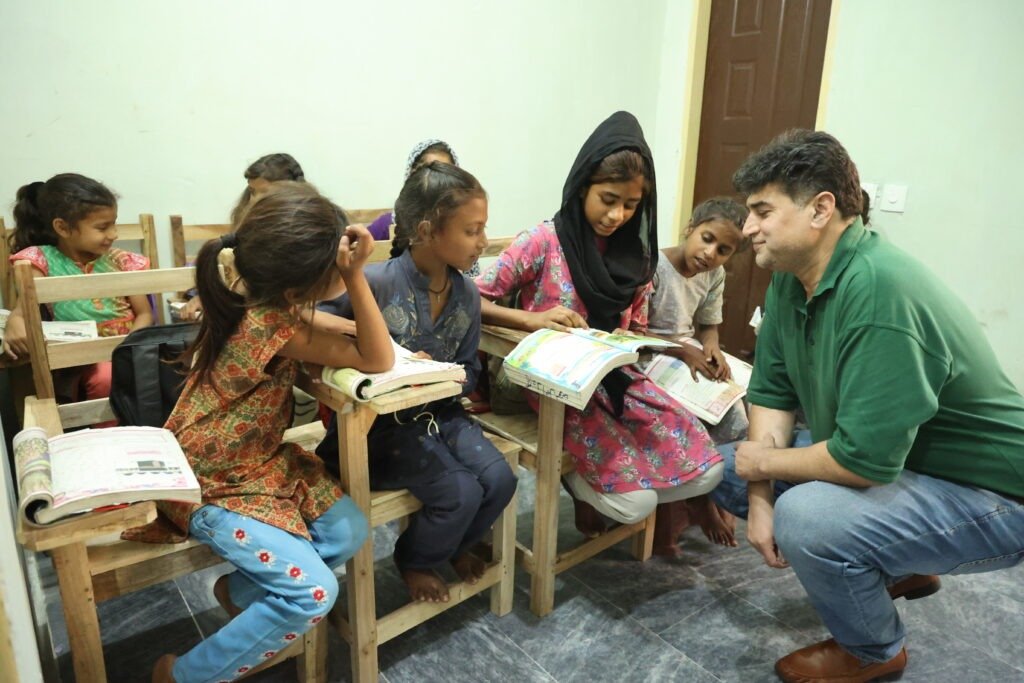
Education changes lives not only economically but emotionally. For Christian children who often experience social marginalization, schools can become spaces where confidence and self-worth are developed. Learning environments provide structure, routine, and positive reinforcement that help children believe in their abilities.
Recognizing how education changes lives of Christian children in Pakistan is critical to building bridges across divides.
By prioritizing how education changes lives of Christian children in Pakistan, we can direct resources efficiently.
When children gain knowledge and skills, they also gain confidence in expressing themselves and interacting with others. This personal growth is especially important for minority children who may otherwise feel invisible or excluded within society.
Without consistent education, many children struggle with self-esteem and motivation, making it harder to pursue opportunities later in life.
Improving Social Inclusion and Participation
Education plays a vital role in fostering social inclusion. Schools bring together children from diverse backgrounds, encouraging interaction, cooperation, and mutual understanding. For Christian children, this exposure helps reduce isolation and promotes a sense of belonging.
Ultimately, understanding how education changes lives of Christian children in Pakistan is a step towards equality.
Through education, children learn communication skills and social awareness that enable them to participate more actively in society. These skills are essential for navigating social institutions, workplaces, and community life.
Highlighting how education changes lives of Christian children in Pakistan can inspire action and change.
The stories of how education changes lives of Christian children in Pakistan are stories of resilience.
However, ongoing education barriers for Christian children in Pakistan continue to limit this potential, particularly in underserved regions where resources and support are scarce.
Reducing School Dropouts and Ensuring Continuity
Education changes lives most effectively when access is consistent. Unfortunately, dropout rates remain high among Christian children due to financial pressure, transportation challenges, and social exclusion. Understanding why Christian children drop out of school in Pakistan highlights the importance of sustained educational support.
Education embodies the essence of how education changes lives of Christian children in Pakistan in many ways.
When education is interrupted, children lose momentum and confidence. Returning to school becomes increasingly difficult, and opportunities diminish over time. Ensuring continuity through targeted support is therefore essential for lasting impact.
Stable access to education helps children remain engaged, complete their studies, and transition into adulthood with greater opportunity.
The ongoing conversation around how education changes lives of Christian children in Pakistan is crucial for future planning.
Transforming Opportunities in Rural Communities
In rural areas, the impact of education is even more pronounced. Limited infrastructure and long distances to schools mean that many children never complete basic education. The lack of school access for Christian children in rural Pakistan continues to restrict learning opportunities and reinforce inequality.
When education is made accessible in rural communities, the effects are transformative. Children gain skills that allow them to pursue further education or vocational opportunities. Families experience improved stability, and communities benefit from increased participation and leadership.
Education in rural contexts serves as a foundation for long-term community development.
In every discussion on education, we must consider how education changes lives of Christian children in Pakistan.
Empowering Girls Through Education
Education is particularly transformative for Christian girls, who face compounded challenges due to gender norms and economic pressure. When girls receive education, the benefits extend beyond individual achievement to improved health, economic independence, and family well-being.
Ultimately, it is essential to understand how education changes lives of Christian children in Pakistan for effective advocacy.
Educated girls are more likely to delay early marriage, participate in the workforce, and support the education of their own children. These outcomes contribute to stronger, more resilient communities.
Ensuring equal access to education for girls is therefore a critical aspect of how education changes lives within Christian minority communities.
Education as a Tool for Awareness and Rights
Education empowers children with awareness of their rights and responsibilities. For Christian minorities, education provides tools to navigate social systems, access services, and engage constructively with institutions.
Without education, individuals may lack the knowledge or confidence needed to seek fair treatment or opportunities. Education strengthens critical thinking and decision-making, enabling children to advocate for themselves and their communities.
These capabilities are essential for long-term inclusion and equality.
Strengthening Communities Through Education
When children are educated, entire communities benefit. Educated individuals are more likely to contribute positively to community life, support younger generations, and promote social cohesion. Over time, education strengthens resilience and adaptability within communities.
Addressing broader minority education issues in Pakistan requires recognizing education as a central pillar of social development and collective progress.
The Role of Education Support Initiatives
Targeted education support initiatives play a vital role in transforming lives. Programs that provide uniforms, learning materials, meals, and transportation assistance reduce barriers that prevent children from attending school regularly.
Sustained education support for Christian children in Pakistan helps families keep children enrolled and improves learning outcomes over time. When support is consistent and community-focused, education becomes a reliable pathway to opportunity.
Long-Term Impact Across Generations
The true impact of education is seen across generations. Educated parents are more likely to prioritize schooling for their children, creating a positive cycle of learning and opportunity. Over time, education contributes to economic stability, social inclusion, and improved quality of life.
For Christian children in Pakistan, education is not just about the present it is about shaping a more equitable future.
Transparency and Support
MinorCare supports educational access for Christian children through transparent and accountable initiatives. As a registered non-profit organization, its work is sustained through official, tax-deductible contributions made via its secure donation platform on Zeffy.
EIN: 99-3322035
Contact: 1913 271 9000
FAQs
How does education change the lives of Christian children in Pakistan?
Education improves economic opportunity, social inclusion, confidence, and long-term stability.
What challenges limit access to education for Christian children?
Poverty, lack of nearby schools, transportation issues, and social exclusion are common barriers.
Why is education especially important for girls?
Education empowers girls economically, socially, and health-wise, benefiting families and communities.
How does education impact rural Christian communities?
Education provides skills, opportunity, and resilience in areas with limited infrastructure.
Can education support initiatives make a real difference?
Yes. Targeted support significantly improves access, retention, and outcomes.

MinorCare Foundation provides education, uniforms, books, and shoes to underprivileged Christian children in Laliyani, Kasur, Pakistan.