How MinorCare Helps Underprivileged Students Learn With Dignity and Hope
Christian children in Pakistan face serious challenges when it comes to education. Many families deeply value learning and want their children to attend school, but financial barriers make education difficult or impossible. School fees, uniforms, books, shoes, and basic supplies often stand between a child and a classroom. These costs may seem small to outsiders, but for families living day to day, they are overwhelming and often impossible to manage.
Education support for Christian children is essential for overcoming these barriers.
We believe that education support for Christian children can change lives and communities.
By providing education support for Christian children, we can foster hope and resilience.
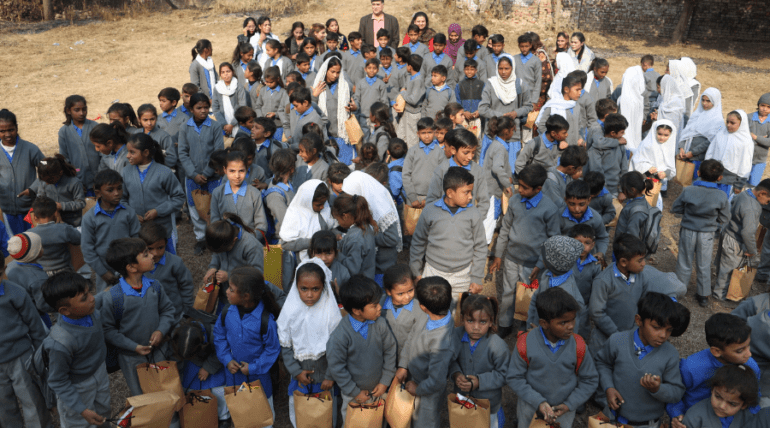
MinorCare Foundation exists to remove these barriers in a practical and respectful way. We provide education support for Christian children in Pakistan so they can attend school consistently, learn with confidence, and build better futures for themselves and their families. Our goal is not short-term relief, but long-term stability through education.
This page explains the challenges Christian children face, how MinorCare supports students, and why education remains the most effective path toward lasting change in minority communities across Pakistan.
Education support for Christian children is vital for breaking cycles of poverty.
Providing education support for Christian children helps them reach their academic potential.
The Education Challenges Christian Children Face in Pakistan
Christian communities in Pakistan are a small religious minority. Many families live in poverty and work in low-income jobs such as construction labor, domestic work, farming, or small trade. Income is often irregular and unpredictable, making it difficult to plan for monthly expenses like school fees or supplies.
Education becomes especially difficult when daily survival is the main concern. Parents may want to send their children to school, but when food, rent, and medical needs compete for limited income, education is often pushed aside. This decision is rarely made willingly. It is made out of necessity.
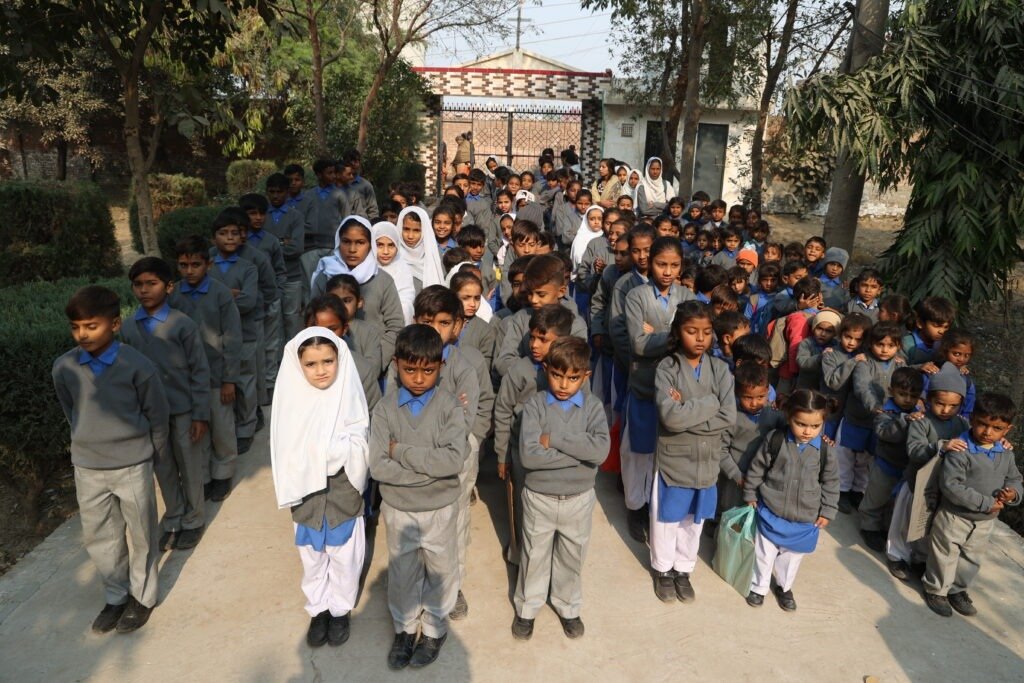
Common challenges include:
- Inability to pay monthly school fees
- Lack of school uniforms and proper shoes
- No access to books, notebooks, or stationery
- Long walking distances to reach schools
- Pressure on children to work instead of study
For most Christian families, the issue is not a lack of motivation or care. Parents understand the value of education. The true challenge is limited financial capacity combined with few external support options.
Parents are eager to provide education support for Christian children, but financial constraints hinder them.
Investing in education support for Christian children is investing in a brighter future.
The absence of education support for Christian children perpetuates inequality.
Through education support for Christian children, we can uplift entire communities.
Education support for Christian children is a fundamental right that must be upheld.
Why Minority Children Are Often Left Behind
Many large aid programs in Pakistan operate through systems that do not consistently reach Christian communities. These programs are often centralized, bureaucratic, or focused on majority populations, which leaves religious minorities overlooked.
Christian children also face social and structural barriers that make access to education more difficult. In some areas, discrimination, exclusion, or lack of local advocacy reduces opportunities for Christian families to receive assistance.
Christian children cannot benefit from certain charity systems that primarily serve Muslim communities. As a result, families must carry the full burden of education costs alone, even when income is extremely low.
Education support for Christian children lays the groundwork for future leaders.
Every investment in education support for Christian children strengthens their communities.
This gap in support leads to:
- Higher dropout rates
- Interrupted education
- Limited career opportunities
- Increased risk of child labor
Without targeted education support, many capable children leave school permanently, not because they lack ability, but because the system fails to include them.
Education support for Christian children ensures they are not left behind.
Education support for Christian children can transform lives and futures.
How Education Support Changes a Child’s Life
Our mission is to provide education support for Christian children in need.
When education is fully supported, the impact is immediate and lasting. Children attend school regularly without interruptions caused by missing supplies or unpaid fees. Parents experience relief knowing their children can continue learning with dignity and consistency.
Education support allows students to focus on lessons, homework, and personal growth rather than daily uncertainty. It creates a sense of normalcy and routine that every child needs.
Education support provides:
- Stability and daily structure
- Confidence and self-respect
- Improved academic performance
- Stronger long-term economic opportunity
Education does not benefit only one child. It supports family well-being, strengthens community resilience, and creates hope for future generations. One educated child can positively influence an entire household.
What MinorCare Provides to Christian Students
MinorCare Foundation provides practical education support designed to remove the most common barriers that keep Christian children out of school. Our support focuses on essentials that make regular attendance possible.
School Fees Support
Many families cannot afford tuition, even at low-cost schools. MinorCare covers school fees so children can remain enrolled throughout the academic year. This support prevents sudden dropouts caused by unpaid balances and ensures continuity in learning.
School Uniforms
Uniforms promote equality and dignity in the classroom. Children without uniforms often feel embarrassed or excluded. MinorCare provides proper clothing so students can attend school with confidence and feel equal among their peers.
Shoes and Basic Needs
Footwear protects children’s health and safety. Many children walk long distances to school on rough roads. Proper shoes reduce illness, injury, and discomfort, helping children attend school consistently.
Books and School Supplies
Students receive school bags, notebooks, textbooks, and learning materials required for their grade level. Having the right supplies allows children to participate fully in class and keeps them engaged in learning.
Together, these supports ensure education is reliable and sustainable, not temporary or uncertain.
Education support for Christian children paves the way for success.
Every child deserves education support for Christian children to thrive.
Education support for Christian children is a key to breaking the poverty cycle.
With proper education support for Christian children, potential is unlocked.
Education support for Christian children helps build self-esteem and hope.
Real Stories From Christian Children in Pakistan
Aina’s Story
Aina is a young student who enjoys learning and helping her classmates. Her parents work hard but struggle to cover school expenses. Without education support, Aina would likely miss school often or fall behind. With MinorCare’s help, she attends regularly, participates in class, and dreams of helping others in her community.
Rahul’s Story
Rahul comes from a family where income depends on daily labor. His parents believe strongly in education but cannot afford consistent schooling. Education support allows Rahul to stay in school, complete assignments, and focus on building a stable future instead of worrying about finances.
Noor Rehman’s Story
As the eldest sibling, Noor carries responsibility at home. Without support, he would likely leave school to work. MinorCare’s assistance keeps him learning while also allowing him to support and encourage his younger siblings.
These stories reflect the broader impact of education support when barriers are removed.
Why Education Support Matters More Than Short-Term Help
Short-term assistance can address immediate needs, but it cannot replace education. Education builds skills, independence, and long-term stability that last far beyond childhood.
Children who complete school are more likely to:
- Earn stable income
- Support their families financially
- Educate their own children
- Strengthen their communities
Education creates lasting change by breaking cycles of poverty and dependency. It is one of the most effective investments in a child’s future.
Preventing Child Labor Through Education
When families cannot afford school-related expenses, children are often pressured to work to help meet basic household needs. This may include construction labor, domestic work, street vending, or other unsafe and exploitative jobs. Once a child enters the workforce, returning to school becomes increasingly difficult, especially as learning gaps widen over time.
Education support plays a critical role in preventing child labor by removing the financial reasons children are pushed into work. When tuition, uniforms, and supplies are covered, families are no longer forced to choose between survival and schooling. Regular school attendance keeps children in a protected environment, builds routine, and ensures they remain focused on learning rather than income generation. Over time, education becomes the strongest safeguard against child labor and long-term exploitation.
The Role of Education in Building Confidence and Identity
Education does more than teach reading, writing, and mathematics. It helps children develop confidence, self-respect, and a sense of personal identity. For Christian children who may experience social exclusion or discrimination, school can become a place where they feel valued, capable, and equal to others.
Through classroom participation, group activities, and academic achievement, students begin to believe in their abilities. Education teaches children how to communicate clearly, solve problems, and work collaboratively. These skills shape how they see themselves and how they interact with the world. Over time, education strengthens emotional resilience and helps children develop a positive identity rooted in knowledge, dignity, and self-worth rather than limitation or fear.
Local Focus: Supporting Christian Communities in Kasur
MinorCare currently supports Christian children in Laliyani, Kasur. This region faces rural poverty, limited infrastructure, and restricted access to services.
By focusing on specific communities, MinorCare ensures:
- Direct and measurable impact
- Accountability and transparency
- Consistent student support
Local focus allows resources to reach the children who need them most and ensures responsible use of donations.
Long-Term Vision for Christian Education Support
The need for education support far exceeds current capacity. Many more Christian children are waiting for the chance to attend school.
MinorCare’s long-term vision is to expand education support so more students can learn in safe, supportive environments. This requires careful planning, trust, and sustained commitment.
Each additional student represents a future changed through education and opportunity.
Frequently Asked Questions
Answer: Christian children in Pakistan face unique barriers as a religious minority. Education support ensures that faith does not limit access to learning or future opportunity.
Answer: When school-related costs are covered, families are less likely to send children to work. Education keeps children in classrooms instead of labor environments.
Answer: When school-related costs are covered, families are less likely to send children to work. Education keeps children in classrooms instead of labor environments.
Answer: Yes. Education breaks intergenerational poverty cycles by equipping children with skills needed for stable employment and independence.
Answer: Regular education builds academic skills, discipline, confidence, and career readiness, all of which improve long-term life outcomes.
Answer: Gaps in education make it harder for children to return to school and increase the risk of permanent dropout and low-wage labor.
Answer: Yes. Educated children often uplift siblings, support parents, and contribute positively to their communities as adults.
Education Brings Dignity, Not Dependency
MinorCare’s approach is rooted in dignity, not dependency. Children are not treated as charity cases but as students with ability, intelligence, and potential. Education support does not create reliance; it creates opportunity. By removing barriers to schooling, MinorCare allows children to take ownership of their futures. Education restores childhood by replacing anxiety with curiosity and fear with confidence. Students gain the tools to become self-reliant adults who contribute to their families and communities. Supporting education for Christian children in Pakistan is not an act of pity. It is an investment in justice, equality, and long-term empowerment that respects human worth and builds lasting change.
Addressing the needs of education support for Christian children is a priority. Education support for Christian children creates a foundation for better futures. Access to education support for Christian children empowers them to dream big. Education support for Christian children is imperative for social justice. We must advocate for education support for Christian children to reduce inequality. Ultimately, education support for Christian children fosters a brighter tomorrow.