Poverty often passes from one generation to the next when families lack access to stable income, quality education, and long-term opportunity. For many Christian families in Pakistan, economic hardship is not temporary but structural. Understanding how education helps break poverty cycles in Christian families is essential to creating lasting change and improving community resilience. By continuously exploring how education helps break poverty cycles in Christian families, communities can develop tailored approaches to foster long-term stability.
Christian minority communities frequently face limited employment opportunities, social marginalization, and restricted access to resources. In such environments, education becomes more than academic instruction. It becomes a tool for transformation, empowerment, and financial stability.
Understanding Poverty Cycles in Christian Families
Poverty cycles occur when limited education leads to low-paying employment, which then restricts the next generation’s access to schooling. Many Christian families depend on informal or low-wage labor. Without educational advancement, children often enter the same economic conditions as their parents. Therefore, understanding how education helps break poverty cycles in Christian families is key to breaking this cycle.
These challenges are closely related to the realities described in poverty and education struggles of Christian families in Pakistan, where financial hardship frequently disrupts school attendance and long-term academic progress.
Recognizing how education helps break poverty cycles in Christian families can inspire community-wide initiatives to improve educational access and quality.
This understanding underscores the importance of how education helps break poverty cycles in Christian families, guiding targeted interventions.
Breaking this cycle requires more than short-term financial relief. It requires sustained access to education that improves earning potential and social mobility.
Ultimately, the goal of education is clear: to demonstrate how education helps break poverty cycles in Christian families and to ensure that future generations thrive.
By understanding how education helps break poverty cycles in Christian families, we can foster an environment where every child can succeed.
Education as a Foundation for Income Stability
One of the clearest ways education helps break poverty cycles in Christian families is by improving employment prospects. Education builds foundational skills such as literacy, numeracy, communication, and critical thinking. These skills open doors to formal employment and vocational training.
When individuals complete secondary or higher education, they gain access to better-paying jobs. Even incremental educational progress can significantly increase earning capacity. Over time, improved income stability reduces dependence on unstable labor and strengthens household security.
Through educational support, we can explore how education helps break poverty cycles in Christian families and empower these communities.
This commitment to understanding how education helps break poverty cycles in Christian families ensures sustainable progress.
Ultimately, this journey reveals how education helps break poverty cycles in Christian families and paves the way toward brighter futures.
Education shifts families from survival-based income decisions toward long-term financial planning.
Access to education is vital to understanding how education helps break poverty cycles in Christian families, enabling communities to flourish.
To address these challenges, we must focus on how education helps break poverty cycles in Christian families and create lasting solutions.
Preventing Early School Dropouts
School dropouts significantly contribute to poverty cycles. When children leave school early, their earning potential remains limited. Understanding why Christian children drop out of school in Pakistan reveals how economic pressure, transportation barriers, and lack of support interrupt educational continuity.
Education helps break poverty cycles only when it is sustained. Preventing dropouts through targeted support ensures that children complete their schooling and gain qualifications necessary for stable employment.
This enables us to harness the potential of how education helps break poverty cycles in Christian families, leading to transformative results.
Consistent attendance and academic progress build confidence and long-term opportunity.
Recognizing how education helps break poverty cycles in Christian families fosters a culture of empowerment and growth.
Expanding Opportunities in Rural Communities
This is why understanding how education helps break poverty cycles in Christian families is crucial to creating pathways for success.
Such initiatives highlight how education helps break poverty cycles in Christian families and aim for equality and accessibility.
Efforts to tackle barriers must emphasize how education helps break poverty cycles in Christian families, ensuring that every child has access to learning.
Rural Christian communities often face compounded disadvantages due to distance from schools and limited infrastructure. The lack of school access for Christian children in rural Pakistan reinforces poverty by restricting educational opportunity.
When education becomes accessible in rural areas, its impact is transformative. Children gain skills that expand employment options beyond manual labor. Families experience improved financial stability and greater independence.
As we support educational growth, we reaffirm our commitment to how education helps break poverty cycles in Christian families.
Rural educational access is therefore essential to breaking poverty cycles across geographic regions.
This awareness drives us to seek innovative strategies that showcase how education helps break poverty cycles in Christian families.
Empowering Women to Strengthen Household Stability
By uniting efforts, we can amplify how education helps break poverty cycles in Christian families, creating a brighter future for all.
Education is especially important for women within Christian families. When girls receive education, they gain economic independence and improved decision-making capacity. Educated women contribute to household income and are more likely to prioritize education for their own children.
By investing in girls’ education, families strengthen long-term economic resilience. This empowerment creates a positive cycle where future generations benefit from improved access to schooling and opportunity.
Education helps break poverty cycles in Christian families by strengthening both individual and collective stability.
Building Confidence and Social Mobility
Strengthening support systems illustrates how education helps break poverty cycles in Christian families and fosters resilience within communities.
Education improves more than income potential. It also builds confidence, communication skills, and awareness of rights. These factors contribute to social mobility and inclusion.
Minority communities often face marginalization that limits participation in broader society. Education reduces this isolation by equipping individuals with skills needed to engage in civic and economic systems.
Ultimately, we must focus on how education helps break poverty cycles in Christian families in order to pave the way for generational upliftment.
Addressing broader education barriers for Christian children in Pakistan is therefore critical for ensuring that education fulfills its potential as a poverty-reduction tool.
Generational Impact of Education
The impact of education compounds across generations. Educated parents are more likely to support their children’s schooling and make informed financial decisions. This creates a stable foundation for future success.
Breaking poverty cycles is not immediate. It requires consistent investment and long-term educational continuity. When education becomes a family priority, economic vulnerability gradually decreases.
The generational impact of education strengthens community development and resilience.
Strengthening Community Economic Growth
As more families gain access to education, community-level economic growth becomes possible. Higher literacy rates, improved skills, and increased employment opportunities contribute to local development.
Education helps shift communities from dependency toward productivity. This transformation reduces vulnerability and fosters sustainable economic participation.
The broader impact of education on minority communities in Pakistan demonstrates how learning contributes to both individual and collective progress.
The Role of Sustained Education Support
Education alone cannot break poverty cycles without consistent support. Many Christian families require assistance with school supplies, uniforms, and transportation to maintain attendance.
Sustained education support for Christian children in Pakistan ensures that economic hardship does not interrupt learning. When barriers are reduced, families are more likely to keep children enrolled and focused on long-term goals.
Targeted support strengthens retention, improves outcomes, and reinforces the poverty-reduction impact of education.
Long-Term Economic and Social Transformation
Understanding how education helps break poverty cycles in Christian families means recognizing both immediate and long-term effects. In the short term, education improves literacy and employability. In the long term, it transforms economic patterns and strengthens social inclusion.
When families experience stable income and improved opportunity, the cycle of poverty gradually weakens. Education becomes the bridge between disadvantage and stability.
Sustained commitment to accessible and inclusive education remains one of the most effective strategies for reducing poverty within minority communities.
Transparency and Accountability
MinorCare supports educational initiatives that aim to strengthen long-term opportunity for Christian families. As a registered nonprofit organization, it maintains transparency through verified listings such as its profile on Charity Navigator.
Educational initiatives supported through accountable channels help ensure sustainable impact and responsible resource management.
EIN: 99-3322035
Contact: 1913 271 9000
FAQs
How does education reduce poverty among Christian families?
Education increases earning potential, improves job stability, and supports long-term financial planning.
Why are poverty cycles difficult to break without education?
Limited education restricts employment options, reinforcing low-income conditions across generations.
How does girls’ education influence poverty reduction?
Educated women contribute to household income and prioritize schooling for their children, strengthening long-term stability.
What barriers prevent Christian families from sustaining education?
Economic hardship, transportation challenges, and social marginalization often disrupt schooling.
Can community-based education support make a difference?
Yes. Consistent support reduces dropout rates and improves long-term educational outcomes.

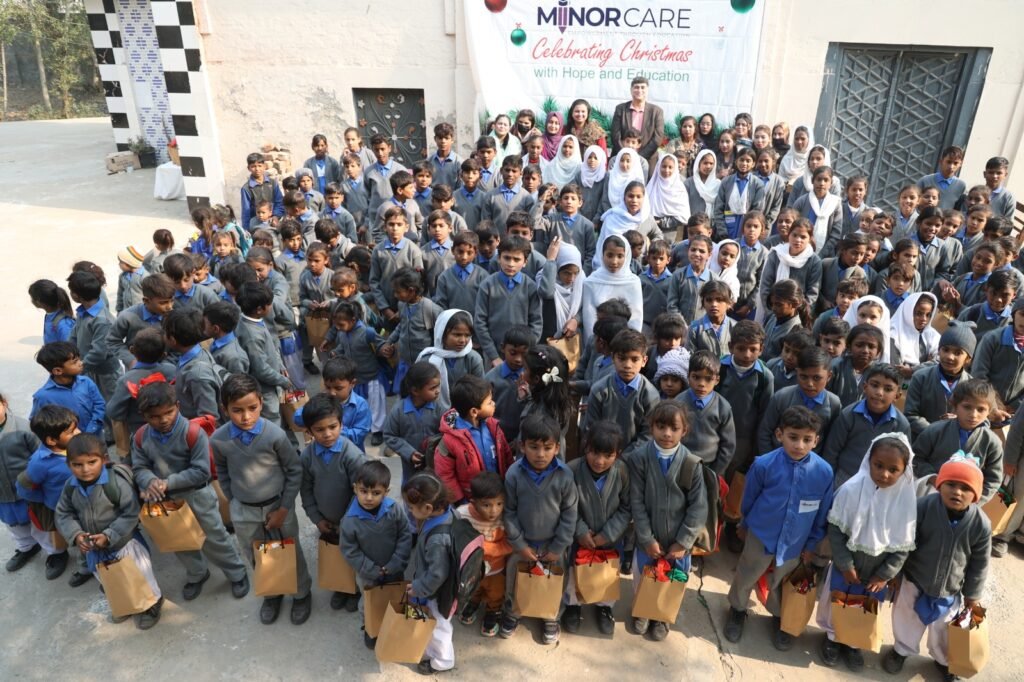
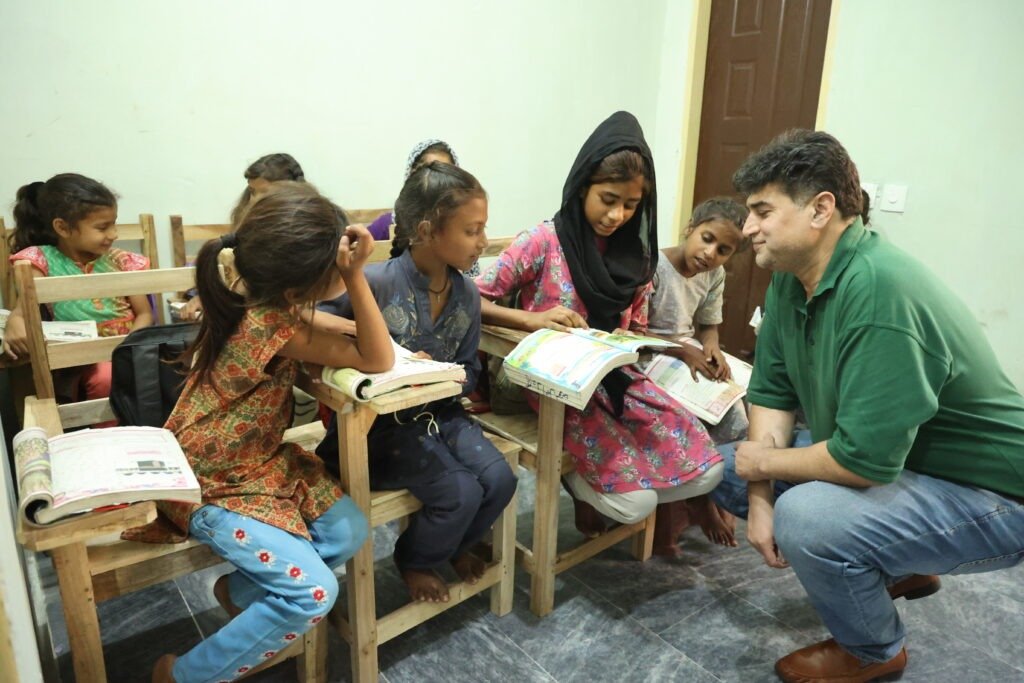
MinorCare Foundation provides education, uniforms, books, and shoes to underprivileged Christian children in Laliyani, Kasur, Pakistan.