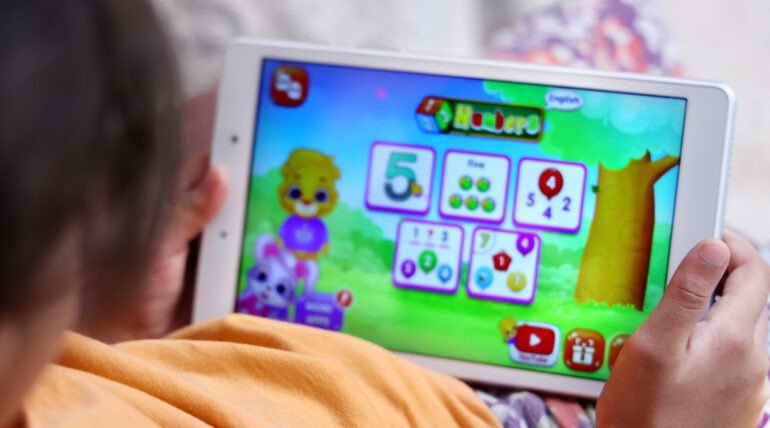
Education remains one of the most influential forces shaping the future of societies. For minority communities in Pakistan, access to quality education can determine whether families experience upward mobility or remain trapped in cycles of poverty and exclusion. Understanding the impact of education on minority communities in Pakistan requires examining how learning influences economic stability, social participation, confidence, and long-term community resilience.
The impact of education on minority communities in Pakistan goes beyond individual achievement; it shapes entire communities and influences future generations.
Exploring the impact of education on minority communities in Pakistan reveals the systemic changes needed for true progress.
Minority groups in Pakistan, including Christian communities and other marginalized populations, often face structural barriers that limit access to opportunity. Education serves as a bridge between disadvantage and progress. When accessible and consistent, it transforms not only individual lives but entire communities.
Understanding the impact of education on minority communities in Pakistan requires a focus on both access and quality to ensure equitable opportunities.
Ultimately, the impact of education on minority communities in Pakistan can lead to significant economic shifts and improved life outcomes.
Economic Stability and Opportunity
A comprehensive approach to understanding the impact of education on minority communities in Pakistan involves recognizing these vital connections.
One of the most visible impacts of education is economic improvement. Many minority families rely on informal or low-paying work with limited advancement prospects. Without education, children frequently inherit the same economic challenges faced by previous generations.
Education provides foundational skills such as literacy, numeracy, communication, and critical thinking. These skills expand employment opportunities and increase earning potential. Over time, educated individuals are better positioned to secure stable work and support their families.
The long-term impact of education on minority communities in Pakistan is evident in their enhanced participation and inclusion in society.
The connection between income and schooling is particularly evident in discussions about poverty and education struggles of Christian families in Pakistan, where financial hardship often determines whether children remain enrolled in school.
As these communities thrive through education, the impact of education on minority communities in Pakistan becomes clearly visible.
Economic empowerment through education strengthens entire communities. As income stability improves, families can invest in housing, healthcare, and continued education for future generations.
Social Inclusion and Participation
Education plays a central role in fostering social inclusion. Minority communities sometimes experience marginalization that limits participation in broader society. Schools provide environments where children interact across different backgrounds, helping reduce isolation and build mutual understanding.
Recognizing the impact of education on minority communities in Pakistan helps foster a commitment to equitable educational reforms.
By addressing the impact of education on minority communities in Pakistan, we can break the cycles of poverty that persist today.
The ongoing impact of education on minority communities in Pakistan is crucial for long-term societal transformation.
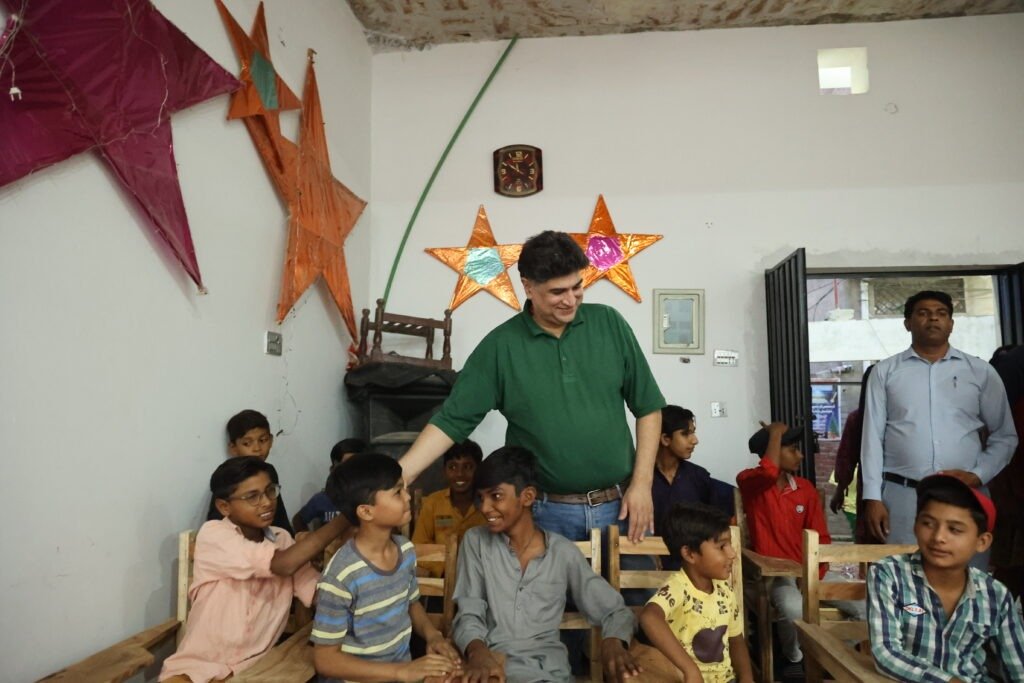
Through education, minority youth develop confidence in communication and collaboration. These skills enable them to participate more actively in workplaces, civic institutions, and community life.
Ultimately, the impact of education on minority communities in Pakistan is a key factor in their overall development and empowerment.
They can drastically change the impact of education on minority communities in Pakistan when infrastructure is improved.
Clearly, the impact of education on minority communities in Pakistan highlights the need for targeted funding and resources.
However, persistent minority education issues in Pakistan continue to create gaps in access and quality. Addressing these issues is essential for ensuring that education fulfils its role in promoting inclusion.
When minority children gain equal access to education, social barriers gradually weaken. Education becomes a foundation for dignity and shared participation.
By focusing on the impact of education on minority communities in Pakistan, we can better engage stakeholders in advocacy efforts.
Each initiative aiming to improve the impact of education on minority communities in Pakistan must consider unique local challenges.
Thus, the impact of education on minority communities in Pakistan must be a priority for policymakers and educators alike.
Breaking Intergenerational Cycles
The impact of education extends across generations. When parents lack formal education, they often have limited awareness of available opportunities or resources. Children who receive consistent schooling are more likely to prioritize education for their own families in the future.
This positive cycle contrasts sharply with the patterns described in why Christian children drop out of school in Pakistan, where economic pressure and limited support disrupt educational continuity.
Ensuring sustained access to schooling allows minority communities to shift from survival-based decisions toward long-term planning and stability.
The combined efforts to amplify the impact of education on minority communities in Pakistan can create lasting change.
Recognizing and enhancing the impact of education on minority communities in Pakistan is essential for equitable growth.
In conclusion, the impact of education on minority communities in Pakistan is an essential component of social justice.
Education and Rural Disparities
Geographic location significantly influences educational access. Rural minority communities frequently experience limited infrastructure and long distances to schools. The lack of school access for Christian children in rural Pakistan highlights how physical barriers can restrict opportunity.
When education becomes accessible in rural areas, the transformation is substantial. Children gain knowledge and skills that expand their prospects beyond traditional labor roles. Communities benefit from improved literacy rates and greater engagement in development initiatives.
Addressing rural disparities is therefore essential to maximizing the impact of education on minority communities in Pakistan.
Empowerment of Women and Girls
Education is especially transformative for women and girls within minority communities. In many underserved areas, girls face additional barriers due to economic and cultural pressures. Ensuring equal educational access empowers girls with independence, confidence, and improved health outcomes.
Educated women contribute significantly to household income and decision-making. They are also more likely to ensure that their children attend school, strengthening the long-term impact of education across generations.
By promoting gender equity in education, minority communities move closer to social and economic stability.
Development of Leadership and Advocacy
Education equips individuals with awareness of rights and responsibilities. Minority youth who receive education are better prepared to engage constructively with institutions and advocate for fair treatment.
Confidence gained through schooling fosters leadership within communities. Educated individuals often become role models who encourage younger generations to pursue learning.
Over time, this leadership contributes to stronger community organization and improved collaboration with broader society.
Strengthening Community Resilience
Education strengthens resilience in times of social or economic uncertainty. Communities with higher educational attainment are better positioned to adapt to change and pursue development initiatives.
For minority communities in Pakistan, education represents stability in an environment where opportunity may otherwise be limited. It fosters problem-solving skills and cooperation that benefit entire neighborhoods.
The broader education barriers for Christian children in Pakistan demonstrate how addressing access challenges is necessary for unlocking long-term resilience.
The Role of Sustained Education Support
The impact of education depends on continuity. Short-term enrollment without sustained support limits long-term benefits. Initiatives that provide learning materials, school uniforms, and transportation assistance help reduce dropout rates and improve attendance.
Consistent education support for Christian children in Pakistan strengthens retention and academic performance. When families receive practical assistance, they are more likely to prioritize schooling despite economic hardship.
Long-term commitment to education ensures that positive impacts are not temporary but enduring.
Long-Term Social and Economic Transformation
The impact of education on minority communities in Pakistan is both immediate and long-lasting. In the short term, education improves literacy, confidence, and access to opportunity. In the long term, it transforms economic patterns, strengthens social inclusion, and enhances community stability.
Education remains one of the most sustainable pathways toward inclusive development. By investing in education, minority communities gain tools to shape their own futures.
Transparency and Accountability
MinorCare supports educational initiatives that promote access and long-term stability for minority communities. As a registered nonprofit organization, it maintains transparency through official documentation and verified listings, including its profile on GuideStar.
Educational initiatives supported through verified channels help ensure accountability and sustained impact.
EIN: 99-3322035
Contact: +1913 271 9000
FAQs
How does education impact minority communities in Pakistan?
Education improves economic opportunity, strengthens social inclusion, and promotes long-term community development.
Why do minority communities face education gaps?
Common factors include poverty, rural infrastructure limitations, and unequal access to resources.
How does education reduce poverty among minorities?
Education increases employability, earning potential, and long-term financial stability.
What role does education play in community leadership?
Education builds confidence and awareness, enabling individuals to advocate and lead within their communities.
Can sustained education support improve outcomes?
Yes. Consistent support increases retention, reduces dropout rates, and enhances academic success.