
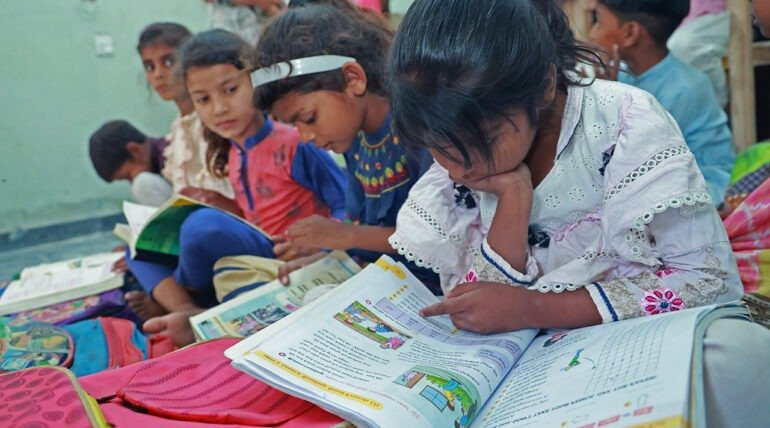
Education is widely viewed as a pathway to stability and opportunity. For many Christian families in Pakistan, however, access to consistent education is deeply affected by poverty. While parents value learning and want better futures for their children, financial realities often make education difficult to sustain.
Poverty influences nearly every aspect of daily life, including housing, food security, healthcare, and employment. When families struggle to meet basic needs, education becomes vulnerable to interruption. Understanding the poverty and education struggles of Christian families requires examining how financial hardship shapes schooling decisions, attendance, and long-term educational outcomes.
This article explores how low income, rising education costs, and economic instability affect Christian families and why poverty remains one of the strongest barriers to sustained education.
How Poverty Affects Education for Christian Families
Poverty affects education by limiting access, consistency, and affordability.
Christian families facing economic hardship often struggle to cover both daily survival needs and school-related expenses. Even when education is technically available, financial pressure determines whether children can attend regularly, remain enrolled, or progress through grade levels.
Education disruptions linked to poverty rarely occur suddenly. Instead, small financial setbacks accumulate over time, gradually pushing children out of school. What begins as missed fees or temporary absence often ends in long-term disengagement.
Low Income Families and Education
Low income families and education are closely connected.
Many Christian families rely on informal, seasonal, or daily wage work. Income may fluctuate weekly or monthly, making long-term financial planning difficult. In such conditions, education expenses compete directly with essential household costs such as food, rent, utilities, and healthcare.
When income is unpredictable, families may delay paying school fees, purchasing uniforms, or replacing learning materials. These delays can lead to missed classes, exam exclusions, or temporary withdrawal from school.
Over time, repeated interruptions reduce academic confidence. Children begin to fall behind peers, lose interest, and feel disconnected from learning environments. For many low-income families, education becomes uncertain rather than stable.
Low income also affects how families plan for education over time. Without predictable income, long-term decisions such as grade progression, exam preparation, or continued enrolment remain uncertain. Families may avoid committing to future school years because they cannot guarantee they will be able to afford upcoming costs.
Financial Hardship Affecting Schooling
Financial hardship affecting schooling extends beyond tuition fees.
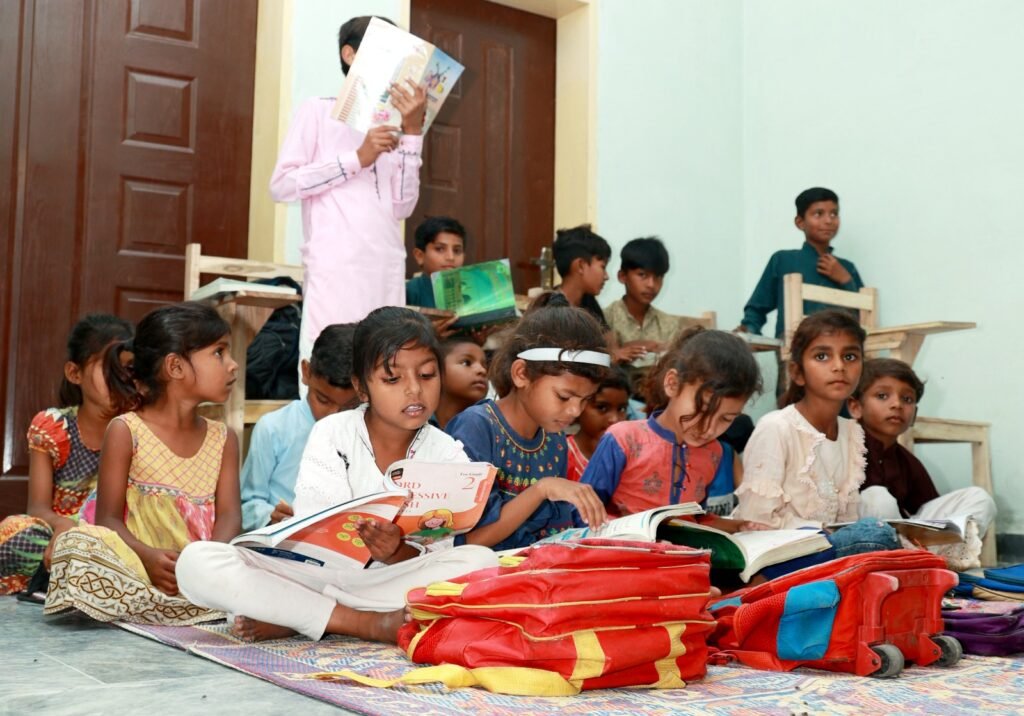
Education costs often include:
- Admission and registration fees
- Monthly tuition or school contributions
- Uniforms and footwear
- Books, notebooks, and stationery
- Transportation expenses
- Examination and certification fees
For families living near or below the poverty line, even modest increases in these costs can disrupt schooling. A single emergency such as illness, job loss, or housing instability can force families to redirect education funds toward survival needs.
When this happens repeatedly, children experience prolonged absence from school. Rejoining classes after extended gaps becomes emotionally and academically difficult, increasing the risk of dropout.
Education Costs and Poverty
Education costs and poverty create ongoing tension for Christian families.
Although public education exists, hidden and indirect costs remain unavoidable. Transportation, uniforms, exam fees, and school supplies often exceed what low-income families can manage consistently.
Private schools may appear safer or better resourced, but they are usually unaffordable. Families face a difficult choice between enrolling children in under-resourced schools or discontinuing education entirely.
Rising living costs, inflation, and unstable employment further reduce the portion of household income available for education. As expenses grow, schooling becomes increasingly fragile.
Survival Needs vs School Expenses
Survival needs vs school expenses is one of the most difficult realities Christian families face.
When families must choose between food, shelter, medical care, and education, survival needs take priority. Education, while valued, is often seen as something that can be postponed until conditions improve.
Children may miss school temporarily during periods of hardship. However, prolonged absence often results in learning gaps, embarrassment, and reduced motivation to return.
In many cases, postponed education becomes permanent withdrawal. Survival pressures do not ease quickly, and children remain outside the education system for extended periods.
These difficult trade-offs are often made repeatedly rather than once. Families may pull children out of school during periods of hardship and attempt re-enrollment later. However, repeated exits and returns weaken academic continuity and emotional attachment to learning.
Economic Challenges Christian Families Face
Economic challenges Christian families face are shaped by structural and social factors.
Employment opportunities for many families are limited to low-paying, labor-intensive, or unstable sectors. Job insecurity means income interruptions are common, leaving families without predictable financial support.
Without savings or safety nets, even short-term hardship disrupts education continuity. Housing costs, healthcare expenses, and rising utility bills further strain household budgets.
These economic realities make long-term educational planning extremely difficult. Education becomes reactive rather than proactive, dependent on short-term financial stability.
Education Affordability Issues
Education affordability issues affect both enrollment and retention.
Families may manage to enroll children in school but struggle to keep them enrolled as costs increase with each grade. Secondary education often requires higher fees, longer travel, and additional learning materials.
As children grow older, education becomes more expensive at the same time household responsibilities increase. Older children may be expected to contribute financially or assist with domestic work.
Affordability challenges therefore intensify during adolescence, leading to higher dropout rates at later stages of schooling.
Education affordability issues also affect decision-making within households. When resources are limited, families may prioritize education for one child over another, often based on age or perceived earning potential. These decisions are rarely based on preference and more on survival logic.
Poverty and Interrupted Learning
Poverty often leads to interrupted learning rather than immediate dropout.
Children may attend school irregularly, missing weeks or months at a time due to financial constraints. Interrupted attendance disrupts academic progress and weakens foundational skills.
Students who fall behind may feel discouraged, embarrassed, or anxious about returning to class. Without remedial support, catching up becomes increasingly difficult.
Over time, interrupted learning reduces attachment to education. What begins as temporary absence gradually turns into permanent disengagement.
Emotional Impact of Poverty on Education
Poverty affects not only access to education but also emotional well-being.
Children growing up in financially stressed households may experience anxiety, guilt, or pressure to support family income. These emotional burdens affect concentration, motivation, and classroom participation.
Students may internalize financial hardship as personal failure, lowering confidence and academic ambition. Emotional stress compounds learning difficulties and contributes to disengagement.
Without supportive environments, emotional challenges persist alongside academic struggles, making education harder to sustain.
The Role of Child Labor and Household Responsibilities
Financial hardship often increases children’s responsibilities at home.
Older children may care for younger siblings, assist with household chores, or contribute to family income through informal work. These responsibilities reduce time available for homework, rest, and school attendance.
Once children begin working, education often becomes secondary. Balancing work and school proves difficult, leading to frequent absence and declining performance.
Eventually, work replaces education entirely for many children from low-income households, closing pathways to future opportunity.
Intergenerational Impact of Poverty on Education
The effects of poverty on education extend across generations.
Parents who experienced interrupted education often struggle to support their children academically. Limited literacy or familiarity with school systems makes it difficult to guide learning or advocate for children’s needs.
This creates cycles where limited access to education is passed down, reinforcing long-term inequality. Without intervention, poverty-driven education disruption repeats across generations.
Understanding these intergenerational patterns is essential to grasp the full impact of poverty on education.
Long-Term Consequences of Poverty-Driven Education Disruption
Education disruption caused by poverty has lasting consequences.
Children who leave school early face limited employment options and lower earning potential. Lack of education restricts access to stable jobs and increases vulnerability to economic shocks.
For Christian families, these outcomes reinforce cycles of poverty and exclusion. Limited education today shapes household stability and opportunity tomorrow.
Breaking these cycles begins with recognizing how deeply poverty and education are connected.
Why Understanding Poverty and Education Struggles Matters
Understanding the poverty and education struggles of Christian families is essential before discussing solutions.
Awareness helps educators, policymakers, and communities focus on root economic barriers rather than individual decisions. Without recognizing financial constraints, education initiatives may overlook the realities families face.
Many education awareness efforts globally operate within 501(c)(3) nonprofit organizations, which emphasize transparency, accountability, and public benefit. Referencing this framework helps place poverty-related education challenges within a trusted non-profit context.
MinorCare Foundation highlights these realities as part of our mission to promote education awareness, ensuring conversations begin with lived experience rather than assumptions.
Key Poverty-Related Education Challenges
- Low income families and education access
- Financial hardship affecting schooling
- Education costs and poverty
- Survival needs vs school expenses
- Economic challenges Christian families face
- Education affordability issues
Together, these challenges explain why poverty remains a central barrier to sustained education.
Frequently Asked Questions
How does poverty affect education for Christian families?
Poverty limits affordability, causes interrupted attendance, and forces families to prioritize survival over schooling.
Are education costs a major barrier even in public schools?
Yes. Uniforms, transportation, exam fees, and supplies create significant financial pressure.
Why do children leave school due to financial hardship?
Repeated interruptions, emotional stress, and pressure to support household income increase dropout risk.
Does poverty affect emotional well-being and learning?
Yes. Financial stress affects confidence, motivation, and academic performance.
Why is awareness important before solutions?
Understanding economic realities ensures education efforts address root barriers rather than surface symptoms.
Final Thoughts
The poverty and education struggles of Christian families are deeply interconnected. Low income, rising education costs, and difficult choices between survival and schooling shape educational outcomes over time.
These challenges do not reflect a lack of value for education. Instead, they highlight the economic constraints families face daily. When poverty is clearly understood, pathways toward stable, inclusive education become possible. Awareness is the first step toward breaking cycles of education disruption and economic hardship.